

By Adisen Thomas
As snow and ice begin to cover Fairbanks roads, drivers are facing the return of hazardous winter driving conditions.
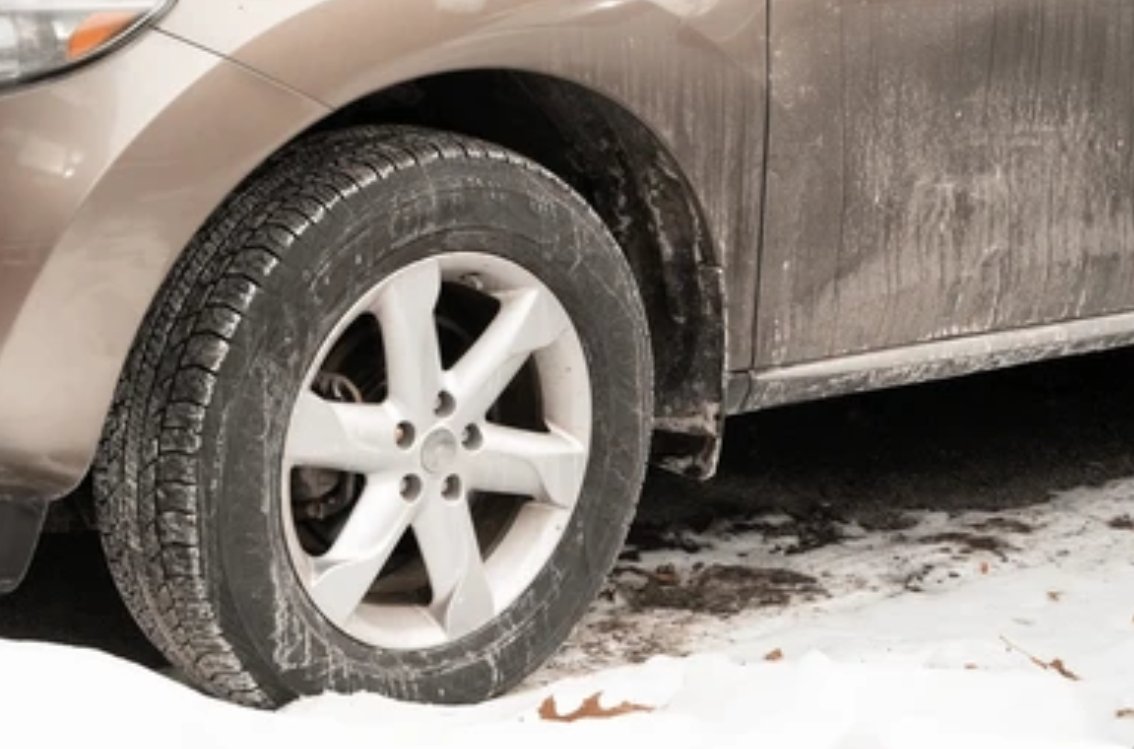
Photo courtesy of Shutterstock
According to the Alaska Department of Transportation & Public Facilities, between October 2024 and April 2025, 4,944 crashes occurred around the state, 1,358 of which resulted in some type of injury.
Preparing for winter conditions starts before drivers even leave their driveways.
Before heading out, properly equipping your vehicle for icy, cold, snowy and slushy driving conditions is especially important. Read your owner's manual and check your cold-weather car inspection list. The Alaska Department of Transportation also provides a winter vehicle checklist.
Four-wheel drive and all-wheel drive can help improve traction when accelerating on slippery roads by distributing power to multiple wheels. However, these systems do not eliminate the risk of sliding and do not replace the need for appropriate winter tires and cautious driving.
Regardless of whether a vehicle has AWD or 4WD, choosing appropriate tires is essential for maintaining traction during winter. Specialized winter tires are designed to perform in the slick and changing weather conditions common in Fairbanks. Studded tires are also common and may be used from Sept. 15 through May 1. They enhance grip on icy surfaces with metal studs embedded in the tread. Drivers can also choose studless winter tires, which use specialized rubber compounds and tread patterns to improve traction in cold conditions.
Carrying emergency supplies in your vehicle is also important. Items such as blankets, gloves, extra clothing, flares, a flashlight, jumper cables, food, water and a shovel can be useful if you become stranded. Having extra provisions can be crucial when temperatures drop, especially if help is delayed.
When driving, make sure to stay alert and keep your headlights on. Caribou and moose crossings are common during the colder months in Alaska, making it essential to scan ditches and road shoulders for wildlife. According to the Alaska Department of Fish and Game, moose-vehicle collisions occur most frequently during the winter. If you spot wildlife near the road, slow down and be prepared for animals to move unpredictably. Remember that other animals may be following.
Snow removal vehicles may also be out clearing roads. The Alaska DOT advises drivers to stay at least 200 feet behind snow removal equipment and pass only on the left-hand side when it is safe to do so. Snowplows have limited visibility, and snow thrown from their equipment can make it difficult for other drivers to see. Giving these vehicles plenty of room and being patient helps keep everyone safe. Drivers should also be considerate of others traveling at slower speeds and avoid tailgating, especially on icy roads.
Drivers should reduce their speed and leave additional space between vehicles during winter conditions. Accelerating, braking and steering gradually can help prevent skidding and loss of control. Because snow and ice increase stopping distances, drivers should avoid following too closely and allow themselves extra time to reach their destinations. Leaving early and expecting delays can also help prevent the temptation to rush.
Winter driving in Fairbanks requires preparation, patience and awareness. By equipping their vehicles properly, adjusting their driving habits and being considerate of others on the road, drivers can help make the roads safer for everyone this winter.