

Camera care in the cold
By Adisen Thomas
As winter approaches in Fairbanks, it is essential to prepare your camera for Alaska’s climate and capture flawless photos. Whether you are a casual photographer or a professional, preparation is important for handling the cold months ahead.
Regular camera maintenance involves keeping the body, lens, and sensor clean and storing your camera in a padded protective bag. However, during winter, photographers must take extra steps to protect their gear, especially when capturing the stars or aurora borealis.
One important step in preventing camera damage is ensuring the lens is well taken care of. “Bouncing back and forth from very humid, warm indoor spots to dry, cold outdoors can, albeit rarely, cause frost to build up inside your camera,” J. Jason Lazarus, associate professor of photography for the University of Alaska Fairbanks Department of Arts, says, “Some folks avoid this by putting their camera in a Ziploc bag before they go inside, allowing it to warm up in the dry air brought from outside.”
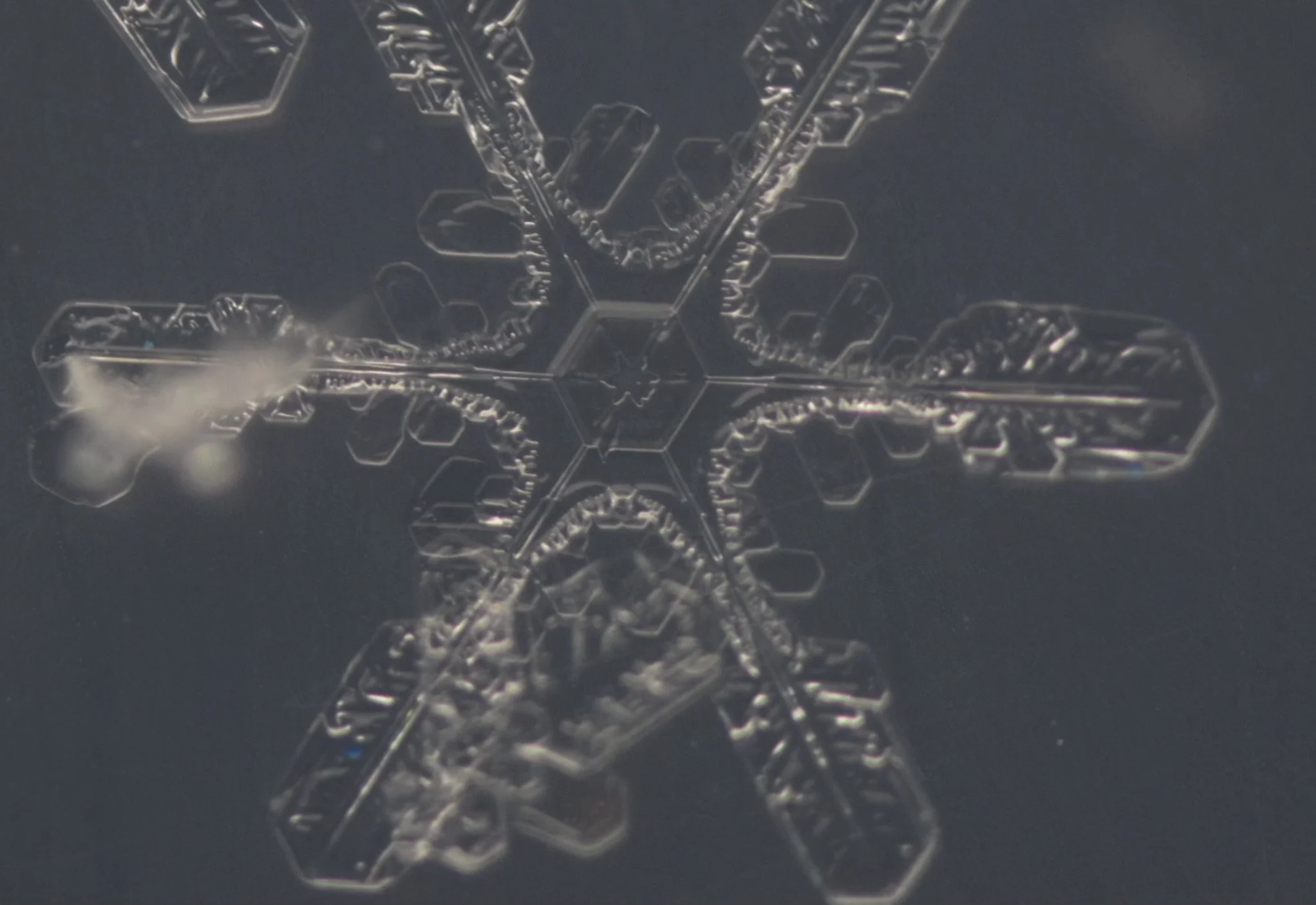
A snowflake captured with a macro lens in early Feb. in North Pole, Alaska.
“Never leave your camera in your car overnight or for extended periods of time,” Lazarus advises. Cameras left in the car risk theft, mechanical damage and battery drain or failure. Leaving a camera exposed in your vehicle increases all these risks, especially theft. Cold temperatures can cause condensation issues in the lens when the camera is brought back indoors.
Caring for your camera during shooting sessions is just as important as regular upkeep. Photographers face a unique challenge during the winter: batteries drain much faster. Cold weather slows down the internal chemical reactions that make power. To avoid your camera dying mid-shoot, make sure your battery is fully charged before heading out. Lazarus says that when it's especially cold, it's best to store your battery in a pocket. "Put it in an inside coat pocket - something close to your core that'll keep it warm,” Lazarus says.
Another tip Lazarus suggests for keeping your battery alive while shooting outdoors is using hand warmers. “I've used a lot of different types of hand warmers over the years for photography and the inexpensive plastic-wrapped ones work great for pockets.” Keeping your battery warm can extend their usable life and could be the difference between capturing the night sky or the bright northern lights.
The type of camera you use also influences how you handle it outdoors. Older batteries tend to drain faster, whereas newer models typically charge via USB or USB-C. “If you're shooting Aurora or the stars, you should already have everything on a tripod, so the dangling phone battery isn't nearly as cumbersome as one might think!” Lazarus says. Cameras that have strong weather sealing and temperature ratings perform best during peak winter months.
When taking photos this winter, bundle up yourself and your gear and most importantly – have fun and enjoy the experience!